At nine in the morning on Sunday, Lou Bertillon slides a five-pound bone-in pork shoulder, rubbed the night before with salt and brown sugar and crushed fennel, into a 285-degree oven in her kitchen on Bergen Street.
The shoulder sits in a battered enameled pan she bought at the Park Slope flea market in 2014 for twelve dollars. It has a small chip on the rim and a permanent brown halo on the inside that no amount of soaking takes off.
She closes the oven door, pours the second cup of coffee of the morning, and does not open the door again until two in the afternoon.
The thing about a six-hour shoulder is that it cooks while you do other things. It is not a recipe so much as a permission slip to spend the day on the laundry, the crossword, the long phone call with your sister in Tacoma.
Bertillon's rub is unfussy. Two tablespoons of kosher salt per pound. One tablespoon of light brown sugar per pound. A teaspoon of fennel seed, crushed in a small mortar she keeps next to the stove. Black pepper to taste, which in her case means a great deal.
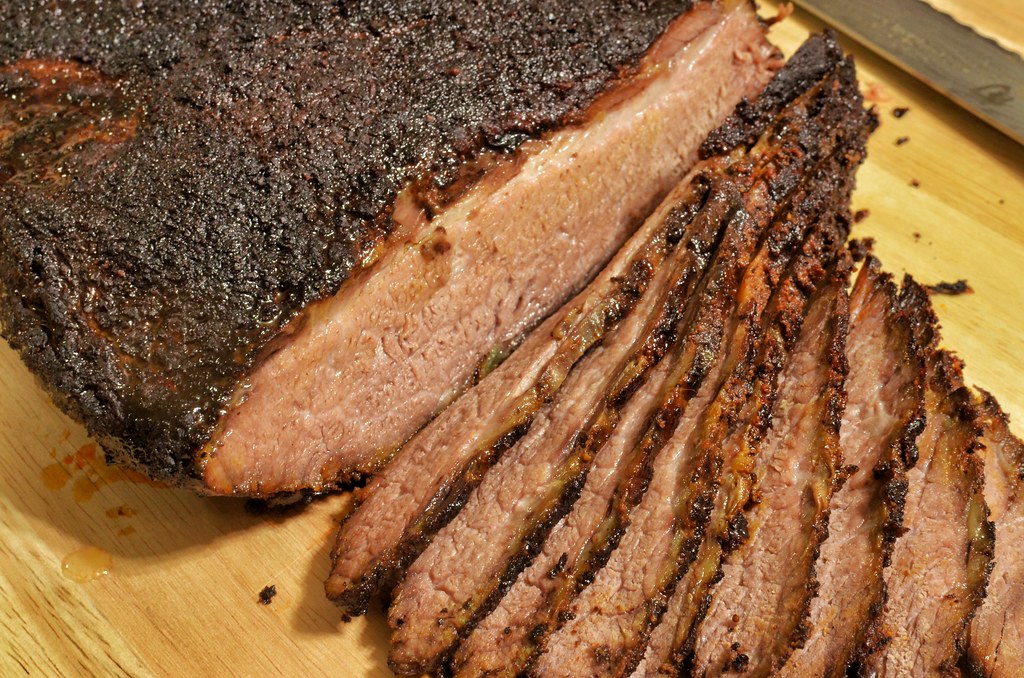
She rubs it on the night before and leaves the shoulder uncovered on a wire rack in the refrigerator. By morning the surface is tacky and the colour of varnish.
Some cooks add liquid to the pan. Bertillon does not. The shoulder gives up its own fat, and within ninety minutes there is half an inch of golden rendered lard in the bottom of the pan, which she will save in a jar and use for the next four weeks.
At noon she opens the oven to baste, the only time she will do so. The surface is the colour of a chestnut and the kitchen smells like a small honest place she has wanted to live for a long time.
Her downstairs neighbour, an architect named Renzo Castellani, has knocked twice in the eight years they have shared the building to ask what she is cooking. Both times it was the shoulder.
By two the meat has begun to retreat from the bone. The bark on top is dense and very dark. She pulls the pan, tents it loosely with foil, and lets it rest on the back of the stove for forty minutes.
Forty minutes is not optional. Bertillon learned this the hard way at a restaurant in the East Village in 2011, where the chef once threw a perfectly cooked pork shoulder into the walk-in trash because the line cook had sliced it after twelve minutes of rest.
While it rests she makes the rest of the meal, which is always the same: a slaw of green cabbage, red onion, and apple cider vinegar; a pot of long-grain rice; pickled jalapenos from a jar she put up in September.
She slices a few discs from a baguette she picked up at Bien Cuit on Smith Street the day before. The bread is two days old, which is when it is good for this.
At three she pulls the bone clean with two forks. The meat comes apart in long pale strands, with darker shreds of the bark mixed in. She puts the bone aside; it will go into a pot of beans on Tuesday.
She mixes the meat with two ladles of the rendered fat from the pan and a splash of the cider vinegar from the slaw, and that is the entire sauce.
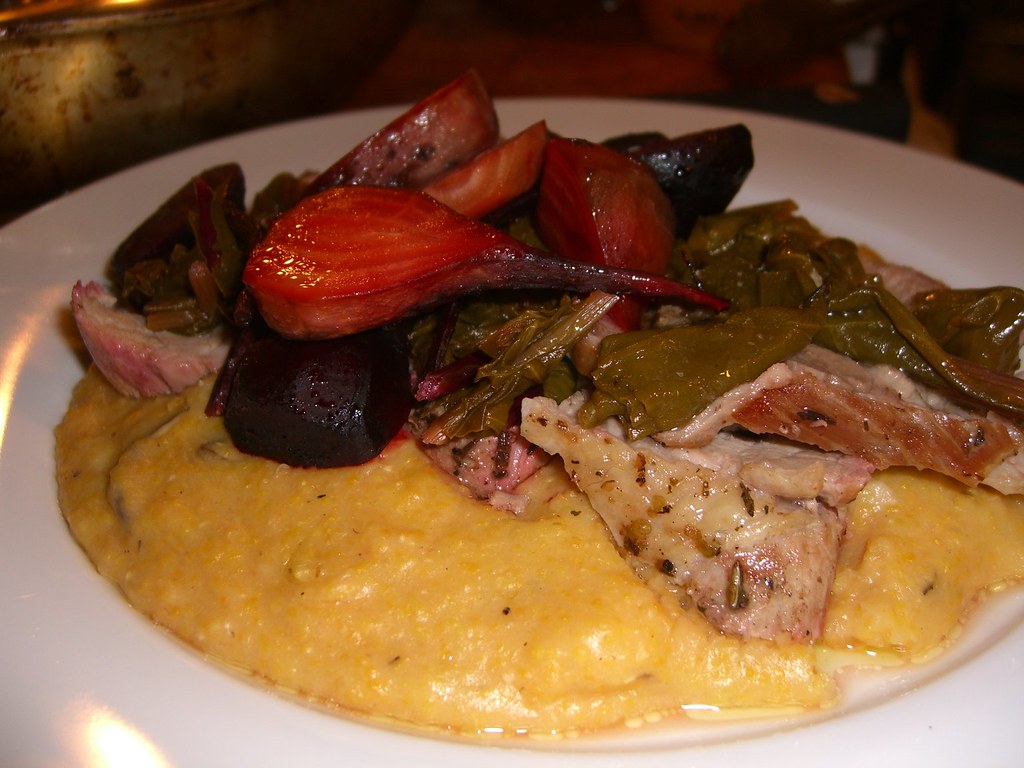
Bertillon plates four portions on white dishes she bought at a restaurant supply store on the Bowery. A pile of rice, a pile of pork, a heap of slaw, three discs of bread, two jalapenos.
Renzo comes up at quarter past three with a bottle of an Italian red he describes as nothing serious. They eat at the small round table by the window.
There is enough pork for four people on Sunday and enough left over for three more meals during the week. Tacos on Monday, fried rice on Tuesday, a sandwich on Wednesday with mustard and the last of the slaw.
The bone goes into a pot with white beans and a head of garlic and a bay leaf on Tuesday morning and simmers, again, for most of the day.
Bertillon does not photograph any of this. She has been cooking the shoulder, with small variations, since she was twenty-six, and she does not think it has gotten better in the last decade, only more reliable.
Six hours of low oven is not a technique that requires defending. The shoulder does what it does. The cook stays out of its way.
The kitchen smells, by four in the afternoon, of fennel and rendered fat and the faint bright vinegar of the slaw, and the windows are fogged at the bottom corners, and the rest of the apartment is quiet.