On a Wednesday evening in late November, Eve Mackinnon, a 58-year-old urban planner, came home to her apartment in the Annex and made a fried egg on toast with a handful of olives from a jar. She ate it standing at the counter, listening to a CBC podcast about housing density. It took twelve minutes from coat-off to plate-in-sink.
Eve has lived alone since her divorce in 2019, and she has been figuring out, in her own private way, how to cook for one person without making it into a project.
The cookbooks on the subject, she says, mostly do not help. They tend to be either elaborate, with five components per plate and a glass of wine staged in the background, or they are sad in a particular way, scaling down recipes meant for four with a note about how dinner alone can still be special.
Neither of those approaches matches her actual life. Dinner alone is just dinner. It does not need to be special. It also does not need to be a performance of frugality or of self-care or of any other narrative about single-person cooking.
Her dinners across one recorded week in February ran as follows. Monday: lentil soup from a quart container she had made on Sunday, with a heel of bread. Tuesday: scrambled eggs with feta and dill, on a slice of dark rye. Wednesday: a baked sweet potato split open, with butter and salt and a spoonful of yogurt.
Thursday: a small pan of sausages and cabbage she had wanted to eat for weeks. Friday: takeout pho from a place on Bloor she has gone to since 2007. Saturday: a piece of roasted salmon with rice and a cucumber salad. Sunday: nothing, because she was at her sister's.
The total grocery spend that week, she figured later, was about thirty-eight Canadian dollars. The total active cooking time was under three hours across all six dinners.
Eve buys for the week in a small way. She does not do the large weekend shop because she found that whatever she bought would expire before she got to it. Instead she stops at a small grocery on her walk home twice a week and buys two or three things.
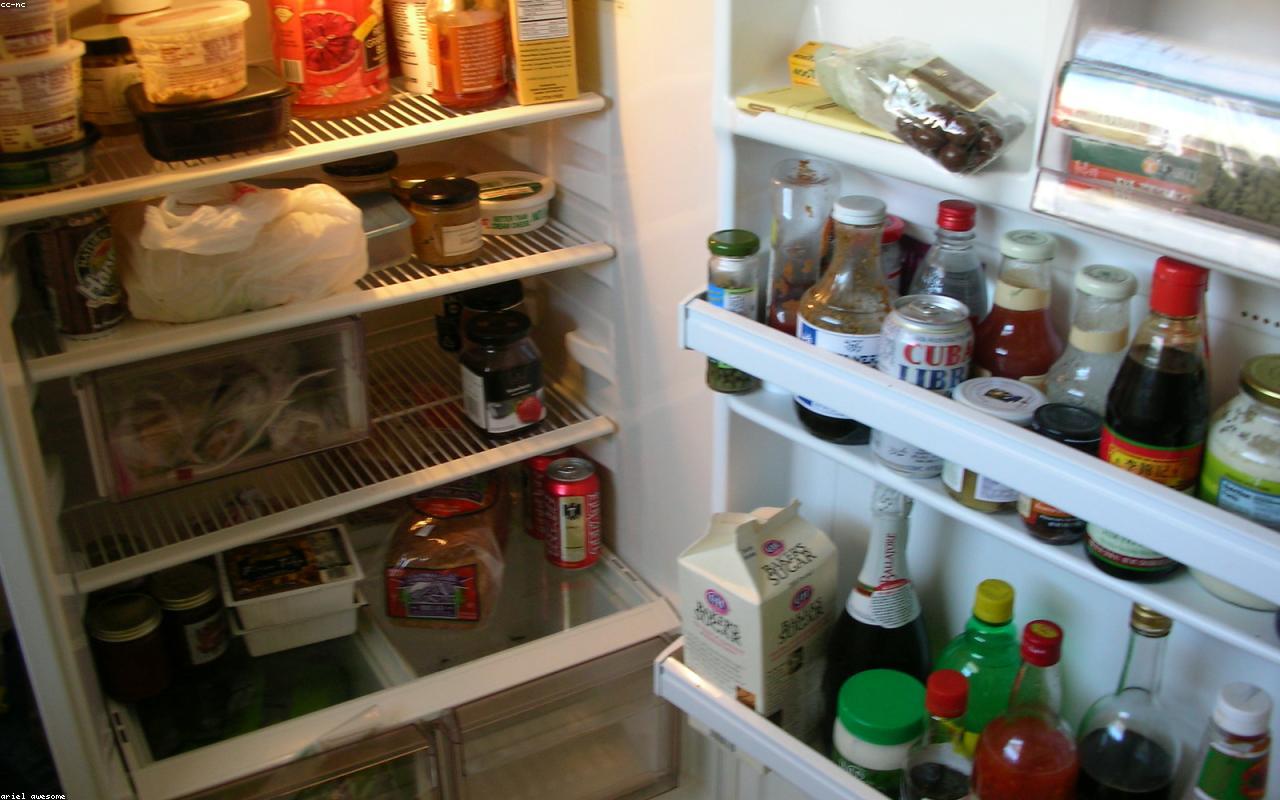
Her freezer holds a single rotation of staples. A bag of frozen edamame. A bag of frozen peas. Three or four chicken thighs, individually wrapped. A loaf of sliced bread, because she does not eat enough of it to keep it on the counter.
She has worked out, over six years, what she calls the floor of cooking for one. There must be something hot. There must be something with texture. There must be something green or briny or sharp. If you have those three things on the plate, in any combination, dinner is dinner.
Some nights, of course, the floor collapses. Eve eats cereal for dinner about once every two weeks. She eats popcorn for dinner about once a month. She does not feel bad about either of these.
What she does try to avoid, she says, is the trap of cooking elaborately for herself once in a while as a way of proving that she is still living well. That kind of cooking, she has found, almost always ends with her feeling tired and a little resentful at midnight while washing four pans.
Better, she says, to make scrambled eggs and feel fine about it, and save the elaboration for nights when she is cooking for her sister or for the small dinner she hosts twice a year.
Eve has one good knife, a Tojiro santoku she bought at a kitchen shop on Queen Street West in 2014 for a hundred and ten dollars. She has one good cutting board. She has a single 10-inch nonstick pan, an 8-inch cast iron, and a small saucepan. Anything beyond that, in her experience, is more dishes.
She cooks most often without recipes now, which she did not used to do. The reason, she suspects, is just repetition. After enough Tuesdays of scrambled eggs and toast, the recipe becomes the practice.
On the question of leftovers, Eve is firm. She does not cook to have leftovers, with the exception of the Sunday soup or stew that she portions into three containers and freezes two of. Otherwise, dinner for one means dinner for one. There is no expectation that tomorrow will eat tonight's mistakes.
She lights a candle on the table about half the nights. Not for atmosphere, exactly, but because the overhead light in her dining nook is unflattering and the candle is more pleasant. She blows it out when she gets up to put the plate in the sink.
Once or twice a week she sets the table properly. The other nights she eats at the counter, or, if she is honest, on the couch with the plate on a cookbook on her lap. She has stopped feeling that the couch nights are a moral failure.
The point of the small dinner, she thinks, is that it is one of the few things she does in a day that is entirely for herself. No one is reviewing it. No one is taking a picture. The plate is empty in twenty minutes and the kitchen is clean in five, and that is the entire transaction.
She has friends who cook elaborately for themselves and seem to love it, and she does not begrudge them. She has come to think there are two kinds of cooks who live alone, and she is the other kind.
On the night this was reported, she ate roasted broccoli with garlic, a small pork chop, and a glass of Niagara Riesling. The whole dinner took twenty-two minutes. She did the dishes during a phone call with her mother in Halifax. The kitchen was dark again by 8:15.