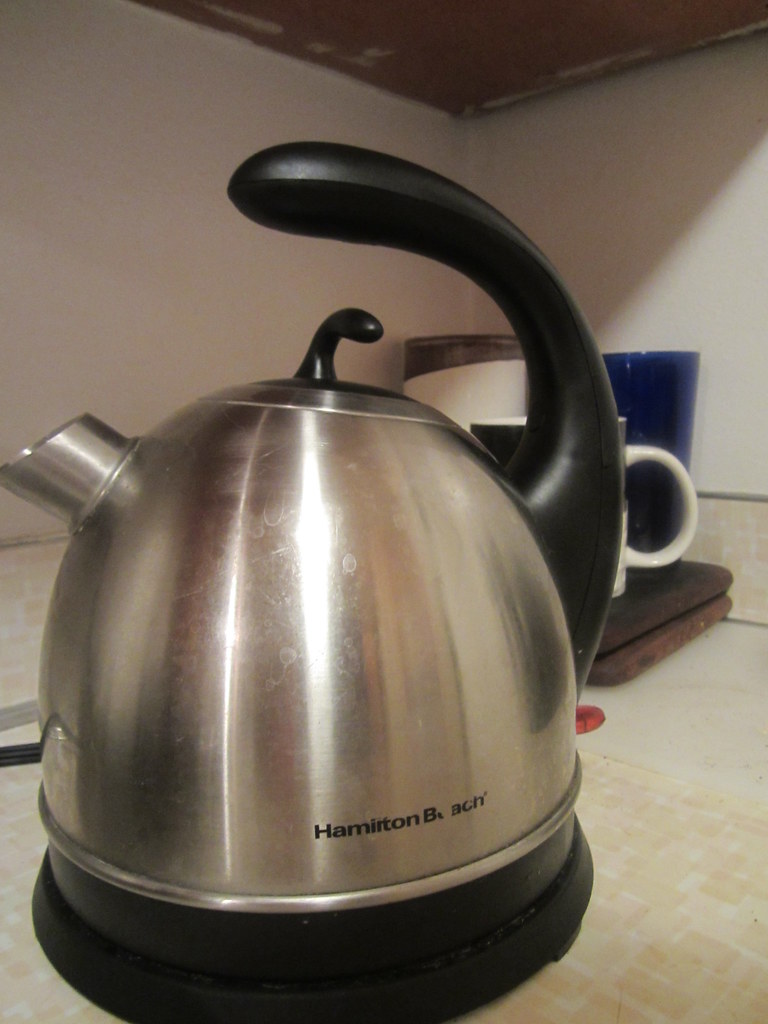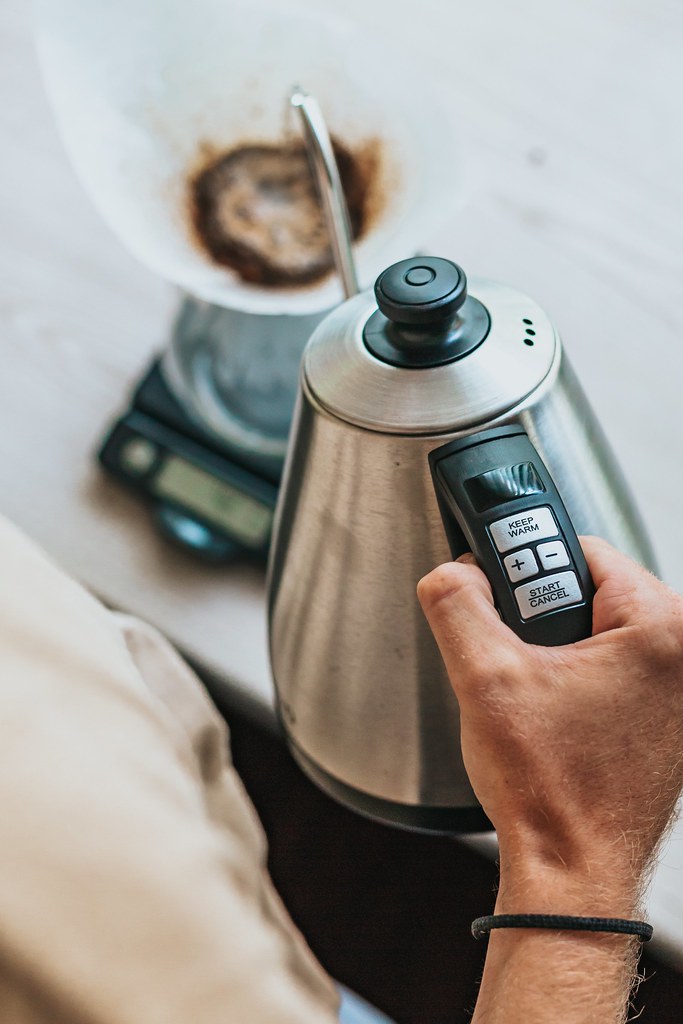
Petra Sloane's kitchen in Edinburgh contains, among other things, a 1.7-litre Bosch electric kettle that she bought in 2017 to replace a stovetop one that had served her for nine years before the handle came off in her hand.
She fills the kettle four times a day on weekdays and six times a day on weekends. The first fill happens at 6:15 in the morning, when she is still in her dressing gown and the bread for the morning's bake is on the counter under a tea towel.
She drinks a cup of strong builder's tea before she does anything else. The brand is Yorkshire Gold, bought in a 240-bag box from the supermarket on Leith Walk, and she steeps the bag for three minutes in a cup that holds 240 millilitres of just-boiled water. A small splash of whole milk goes in second. No sugar.
She has tried other morning teas. She has tried PG Tips, Tetley, Barry's from across the Irish Sea, and a Scottish blend from a small independent on Easter Road. The Yorkshire is what she comes back to. She knows this is unfashionable; she does not care.
The second cup is at about 9:30, after the morning's loaves are in the oven and she has eaten a slice of bread from yesterday's bake with butter. This cup is a Russian Caravan from a tea merchant in the West End, brewed in a small Brown Betty teapot that holds about three cups.
She drinks two of the three cups herself and offers the third to her husband, Iain, who works from home and has come into the kitchen on the smell of the bread. He takes it black.
The Russian Caravan is a smoky black tea, traditionally a blend that includes lapsang souchong, and it pairs with a piece of bread in a way that no other tea quite does. She learned this from her grandmother, who served it on Sundays with a fruit cake from a tin.
The third cup is at 1:00, with lunch. Lunch on a Tuesday is most often a small bowl of soup from the freezer and a piece of bread, and the tea is a green sencha from a small shop in Stockbridge that she has used since 2019.
The sencha requires more care than the others. The water is cooled to about 70 degrees before it goes into the pot, which she does by pouring the boiled water first into a small porcelain pitcher and letting it sit for forty-five seconds. The steep is sixty seconds, no more.
She admits the sencha is the cup she is most likely to ruin. If the water is too hot, the tea turns bitter and grassy. If the steep is too long, the same thing happens. The penalty for a careless minute in the middle of the workday is a bad cup.
She has burned the sencha enough times to know what it tastes like burned, and she has come to think of the careful brewing as a small piece of midday meditation. It forces her to pause for two minutes and watch the kettle and the pitcher, which is two minutes she would not otherwise stop.
The fourth cup is at 4:00. This is the cup that has the most variation. Some days it is an English Breakfast, some days a chamomile, some days a rooibos. The deciding factor is the weather; if it is cold and grey, she wants something with caffeine. If it is sunny and the kitchen is warm, she wants something herbal.
She does not drink tea after 4:30. She has learned, the hard way, that even a half-cup of black tea at 6:00 will keep her up until 2:00 in the morning. The 4:00 cup is the cutoff, and Iain knows not to offer her one after that.
On weekends the schedule expands. There is a long second pot of breakfast tea on Saturday morning, made in a larger pot because she and Iain are both at the table reading newspapers, and there is sometimes an 11:00 cup of jasmine when she takes a break from the garden.
Sunday afternoon is for what she calls the proper tea, which means a pot of Darjeeling, a plate of scones from that morning's bake, butter, and a small pot of jam. This is a ritual she did not invent and does not own; she is simply continuing it.
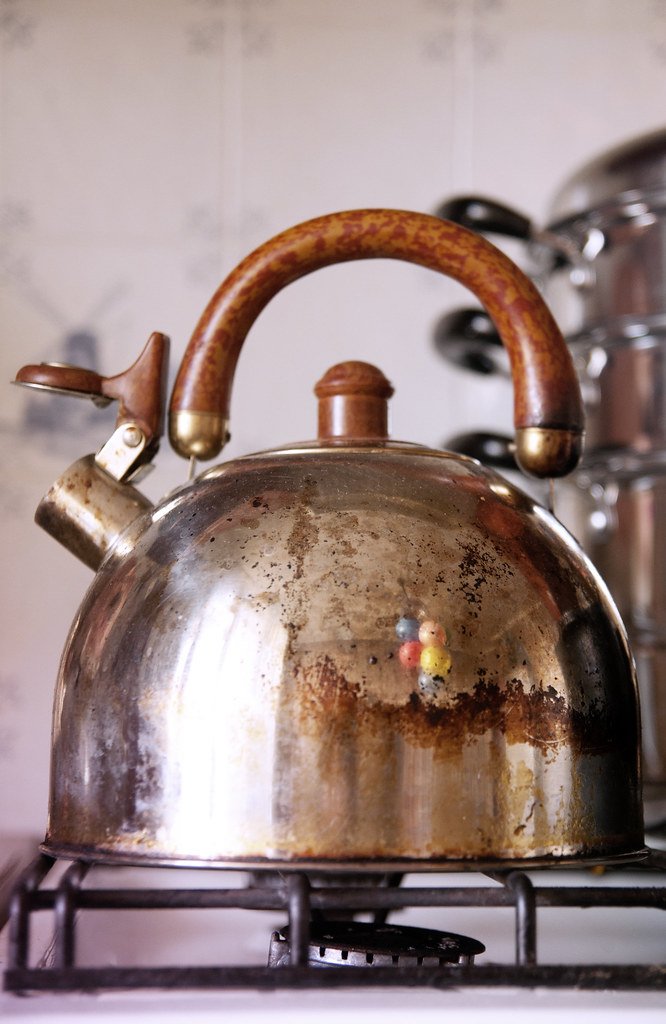
The kettle does most of the work. She has a soft spot for stovetop kettles and a great affection for whistling ones, but the electric kettle is faster, quieter, and shuts itself off, and after fourteen years of using it she has stopped feeling the need to upgrade.
She descales it once every three months with a half-litre of white vinegar diluted with water, boiled and left to sit for an hour. Edinburgh water is moderately hard. The descaling makes a noticeable difference in the speed of the boil and, she thinks, in the taste of the tea.
The teapots are unfussy. The Brown Betty for the smoky black, a small Japanese kyusu for the sencha, and a larger ceramic pot from a Polish potter in Stockbridge for the breakfast tea. None of them cost more than thirty pounds. She has owned the Brown Betty for twenty-two years.
She has thought about the cost arithmetic and found it not very interesting. A box of 240 Yorkshire Gold bags costs about eight pounds and lasts her about three months, which is something like four pence per cup. Even the more expensive teas, on a per-cup basis, are negligible against the price of a coffee at the café across the road.
What she pays in is attention. The kettle needs filling, the water needs watching, the tea needs steeping, the pot needs warming. None of these are large tasks, but they happen every two or three hours, and they shape the day around them.
She has come to think of the schedule as a small kindness she does for herself. The kettle is the metronome; the cups are the rests. The bread, the garden, the work of editing, all happen between the cups.
On Friday evening, after the last of the week's bread is wrapped and the kitchen is quiet, she will sometimes pour herself a small whisky instead. The kettle is off for the night. Tomorrow it will go on again at 6:15.
Filed under