There is a kind of loaf that does not appear in baking competitions or on food magazine covers, and Petra Sloane has been baking it on and off for fourteen years.
It is the bread you take to a person who is sick.
In March of this year a friend of hers, a violinist named Hanne, began the second of two cycles of chemotherapy at the Western General Hospital in Edinburgh. Hanne is forty-one. She has two children. She has been Petra's friend since they were both twenty-three and shared a flat above a kebab shop on South Clerk Street.
Petra has been bringing her bread, every Tuesday, since the end of February.
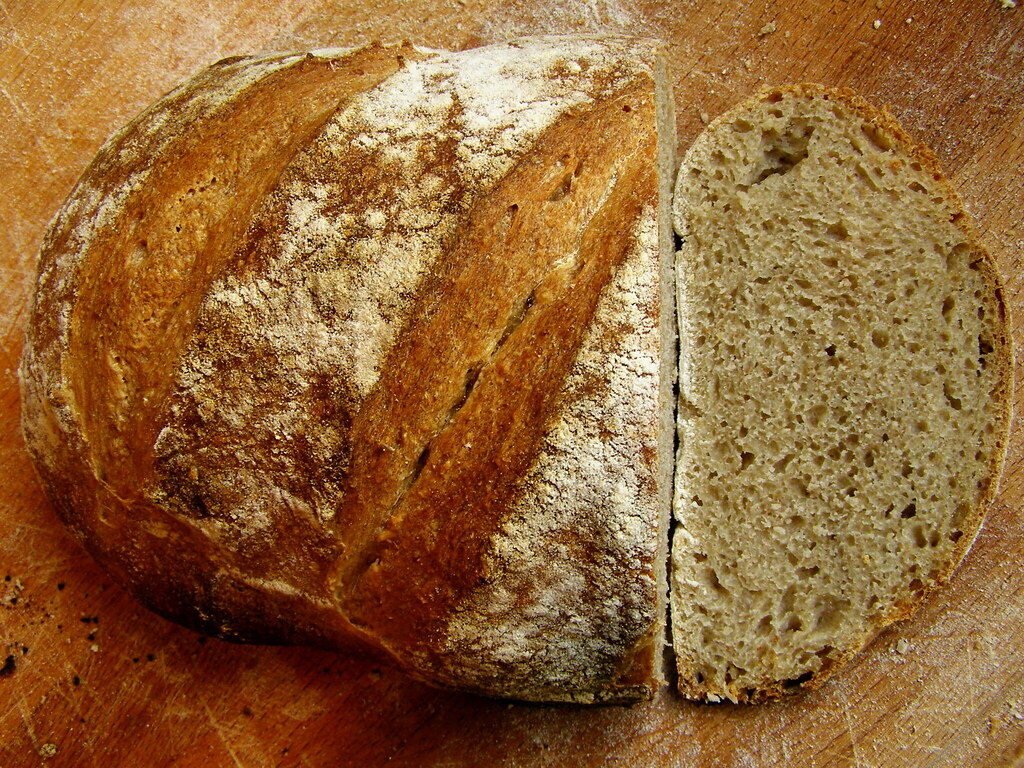
The bread is not sourdough. Sourdough, for a person whose mouth and stomach are tender from treatment, is too sour, too crusty, too assertive. Petra learned this the first time around, in 2019, when Hanne's mother was ill, and Petra brought a beautiful crackling boule that her mother could not eat.
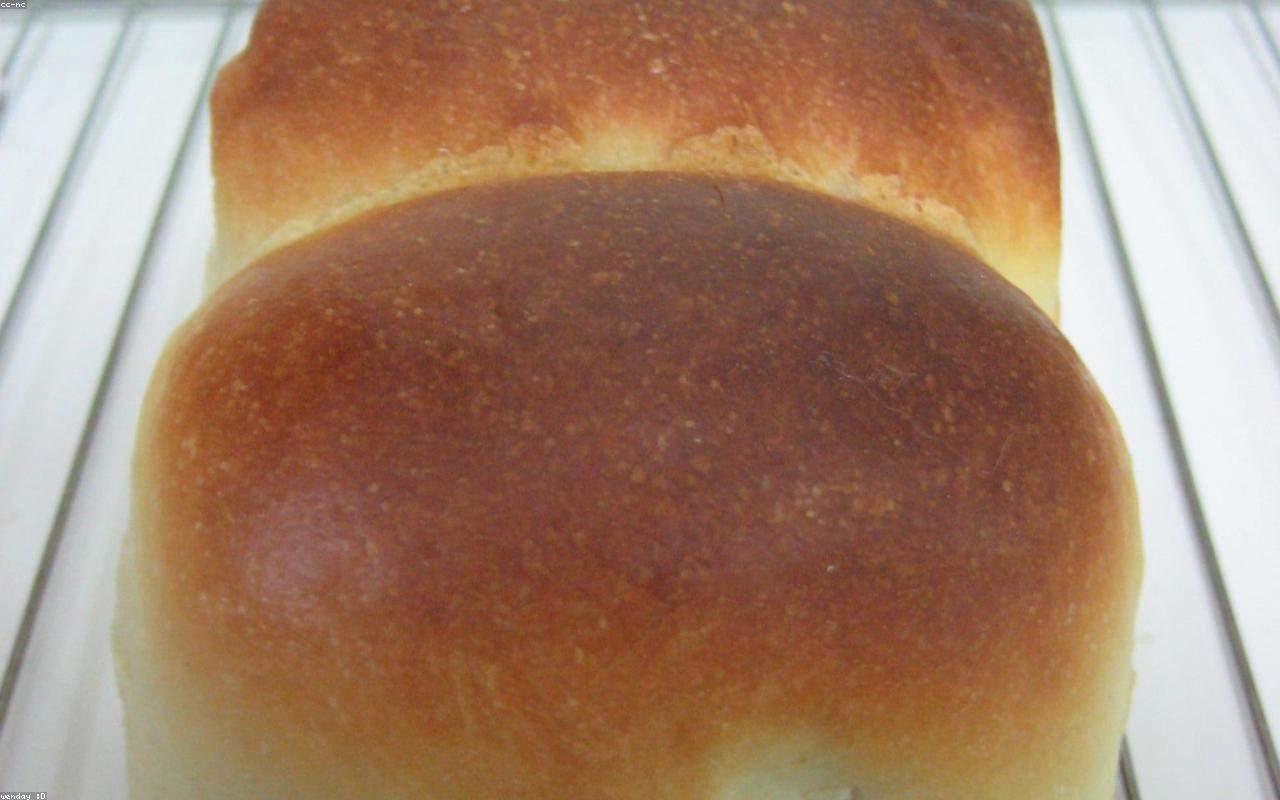
The bread Petra brings now is a milk loaf. Soft white flour, whole milk, a small amount of butter, a teaspoon of sugar, a packet of instant yeast, a generous pinch of salt. It is baked in a small Pullman pan with the lid on, so that the crust stays pale and the crumb stays fine, dense, and even.
It is, on its own merits, a thoroughly modest loaf. It will not impress a baker. It is not meant to.
What it is meant to do is sit on a plate by Hanne's bed without offending anything. It is meant to make a piece of toast that does not scrape. It is meant to absorb honey without falling apart. It is meant to be soft enough that even on a bad mouth day, even when nothing tastes the way it should, it goes down.
Petra bakes the loaf on Tuesday mornings. She mixes it after she has fed her starter, which she ignores for this loaf. The milk loaf is yeast and milk and the small kindness of an industrial product that works reliably every time.
She bakes it in a Pullman pan she bought in 2020 from a restaurant supply shop on Leith Walk. The pan has a sliding lid that constrains the rise. The result is a perfectly rectangular loaf, the kind that slices into perfect squares for sandwiches and toast.
She wraps the loaf, still warm, in a clean linen tea towel, and carries it across town on the number 23 bus.
Hanne lives in a top-floor flat in Stockbridge with her husband Magnus and the two children, who are six and nine. Petra arrives around eleven. She lets herself in. She puts the loaf on the kitchen counter. She makes a pot of tea.
Sometimes Hanne is up and sitting in the kitchen. Sometimes she is in bed. Petra does not insist. She slices two pieces of the bread, butters them very lightly, puts them on a small plate, and takes them in.
Hanne usually manages a few bites. Some weeks she manages a whole piece. One week, in early April, she could not eat the bread at all, and Petra sat with her instead and read her three pages of a Penelope Fitzgerald novel.
The bread is finished by Friday, mostly by Magnus and the children. Magnus says the bread is the best thing about Tuesdays, which is the kind of thing he says, but Petra suspects he means it.
There are many things Petra cannot do for Hanne. She cannot make the treatment work. She cannot make the side effects easier. She cannot give back the violin practice that Hanne has had to set down for now. She cannot promise anything about the outcome.
She can bring a soft loaf of bread on a Tuesday morning, every Tuesday, until it is no longer the right thing to bring. This is a small assignment, and she has taken it on.
The loaf takes about three and a half hours start to finish, of which active time is perhaps twenty minutes. Petra has the recipe memorised. She does not write it down. She has taught it to two other friends this year, both of whom had a person to bake for.
She would not, she said when asked, call this a recipe piece. It is a piece about a habit. The habit is the point. The bread is the small concrete thing the habit produces. The bread is also, in the end, only a piece of bread.
Hanne's last scheduled cycle is in July. Petra will keep baking the loaf through it. Whether she will keep baking it after is a question for after.