The pasta water goes on at 6:34 p.m., which is later than Lou Bertillon meant, because she stopped on Atlantic Avenue to buy a single lemon at the Sahadi's around the corner from her apartment. The lemon is from a crate marked Eureka, Ventura County, and it costs sixty-five cents.
She fills a battered six-quart pot two-thirds with cold tap water and sets it on the back burner of a stove that came with the apartment in 2017. The flame is uneven on that burner. She has stopped noticing.
While the water heats, she opens a tin of Ortiz anchovies in olive oil. There are eight fillets in the tin. She uses six and saves the other two on a saucer in the fridge for tomorrow's toast.
The garlic is two cloves, smashed with the flat of a knife and peeled. She does not chop them. In a 10-inch carbon steel pan, cold, she puts three tablespoons of the anchovy oil and the garlic, then turns the heat to medium-low.
By 6:41 the water is boiling. She salts it heavily, the way the line cooks at her old restaurant on West 12th Street used to salt theirs, which is to say more than seems reasonable. A pound of De Cecco spaghetti goes in.
The garlic in the pan has begun to color at the edges. She adds the six anchovies and breaks them up with a wooden spoon, the one with the burn mark on the handle. They dissolve into the oil within a minute.
She zests the lemon over the pan, then halves it and juices both halves into a small bowl, picking out the seeds with the tip of a paring knife. Half a teaspoon of red pepper flakes follows.
The pasta is at six minutes when she ladles a full cup of starchy water into the anchovy oil. The pan hisses. She swirls it. The sauce, such as it is, comes together as a pale, glossy emulsion.
At seven minutes she lifts the spaghetti out with tongs, dripping, and drops it directly into the pan. She does not drain it in a colander. The water that clings to the noodles is part of the dish.
Now the work begins. She tosses the pasta in the pan over medium heat for two full minutes, adding the lemon juice in two pours and another half-ladle of pasta water when the sauce threatens to break.
The noodles finish their cooking in the sauce itself. This is the only trick. A pasta cooked to al dente in water and then dressed at the table is not the same dish as one finished in the pan with its own starch.
She tastes a strand at 6:51. It needs salt, which surprises her, given the anchovies and the salted water. She adds a pinch of flaky Maldon from the small ceramic dish she keeps beside the stove.
Off the heat, she stirs in a handful of chopped parsley from a bunch that has been in the crisper since Saturday. The parsley is on its last legs. It will not survive another day.
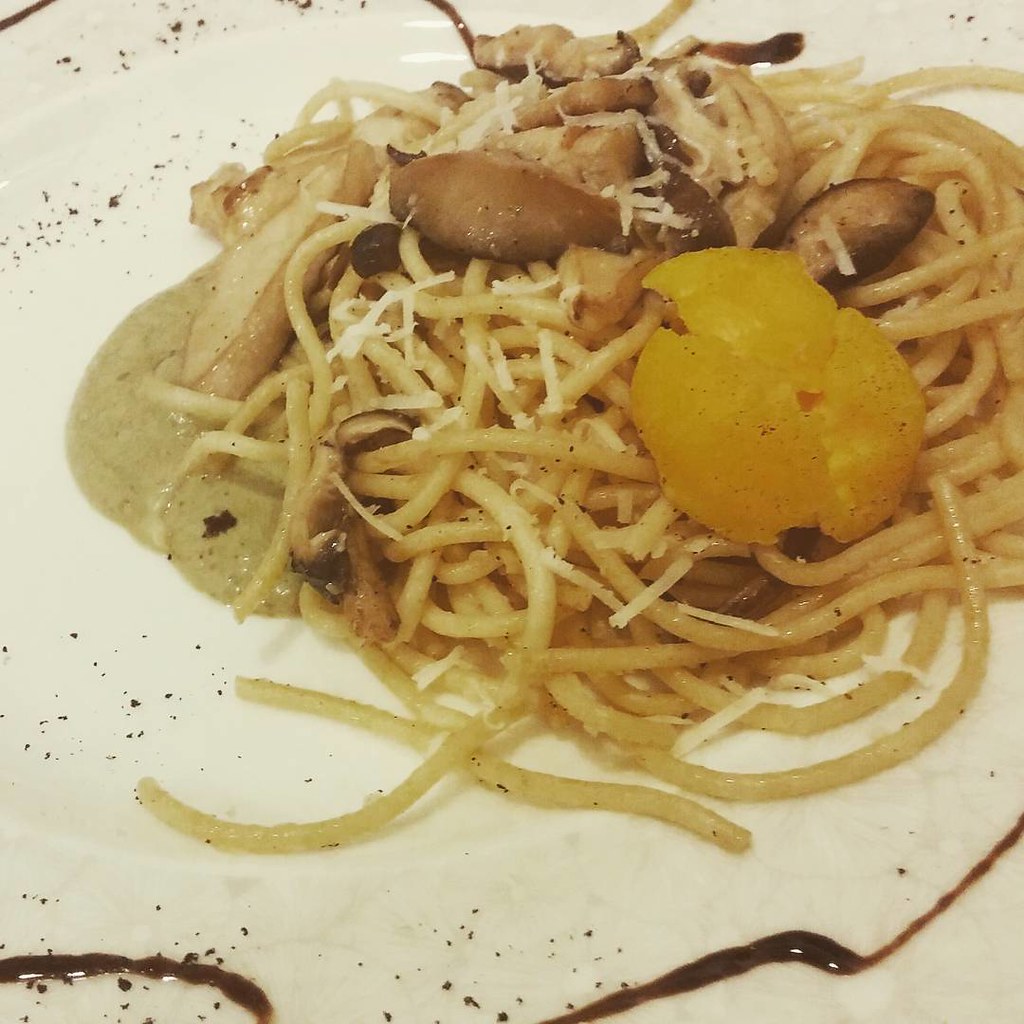
The pasta goes into two warmed bowls — warmed because she put them on top of the pot lid while the water was boiling, a habit from the restaurant that costs nothing. A final grating of lemon zest over each.
She eats at the small table by the window. Her partner, who has been working in the back room, comes in at 6:56. Neither of them speaks for the first three bites. This is not reverence; it is the pasta.
The dish is not virtuous. It is a pound of white pasta and a tin of fish in oil. But it is on the table in twenty-two minutes, and the only thing it has asked of her is attention at the end.
Lou has made this pasta, by her count, forty-three times since the first of January. She is not bored with it. She has stopped fussing with it, which is a different thing.
The variations she has tried and discarded: a spoonful of capers (good, but unnecessary), a handful of toasted breadcrumbs (correct, but it makes a small dish into a project), a splash of white wine (worse than the lemon alone).
What she has kept: the cold start of the garlic, the dissolving of the anchovies before any liquid, the finishing of the pasta in the pan, the second pour of lemon juice. These four things are the dish.
By 7:08 the bowls are in the sink and she is making tea. The pan, while still warm, gets wiped with a paper towel and put back on the stove. Carbon steel does not want soap on a Tuesday.
She will cook this pasta again on Thursday, probably. It is what she reaches for when the week has gone sideways and she still wants to eat something she made on purpose. That, on a Tuesday in April, is what counts.