There is always a jar of pink-pickled red onions in Adrian Coate's refrigerator. There has been a jar there, with rare exceptions, since 2018.
The exceptions are the three times he has been out of the country for more than a week and the one time, in March 2023, when he forgot to make a new batch and the empty jar sat on the counter for four days as a small domestic indictment.
The recipe is hardly a recipe. He calls it the nine-day jar, because that is roughly how long a 500-millilitre jar lasts him before he is scraping out the last few rings with a fork and starting a new one.
He slices a single medium-large red onion as thin as he can manage with his good chef's knife. The onion is the only ingredient that varies — sometimes he uses a sweet Walla Walla in summer, sometimes a tighter winter onion from cold storage, but most often a standard red from the bulk bin at his neighbourhood co-op.
He likes the rings somewhere between two and three millimetres. Thinner pickles faster but turns slightly limp by day six. Thicker stays crisp longer but takes a full day to pick up enough acid to be useful.
He packs the rings into a clean 500-millilitre Weck jar, pressing them down gently.
He brings to a simmer in a small saucepan: half a cup of apple-cider vinegar, half a cup of distilled white vinegar, half a cup of water, a tablespoon of fine sea salt, two tablespoons of cane sugar, one bay leaf, a half-teaspoon of black peppercorns, and three lightly crushed cloves of garlic.
He stirs until the salt and sugar dissolve and then pours the hot brine over the onions in the jar. The onions hiss and shrink. He presses them down with a wooden spoon to submerge.
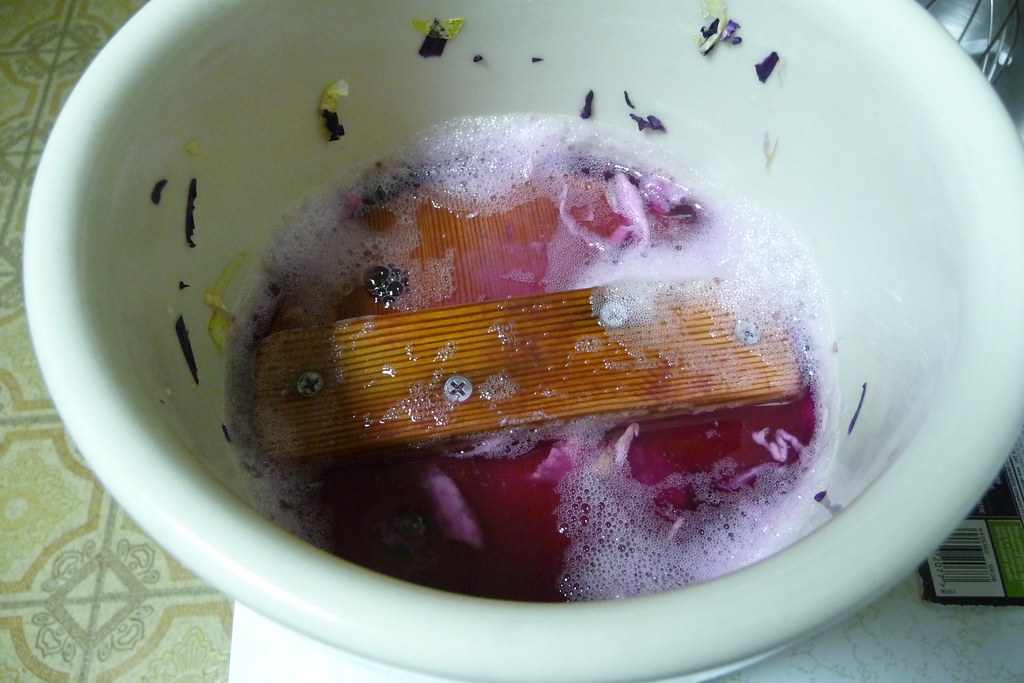
He lets the jar sit on the counter, uncovered, for thirty minutes. The brine cools. The onions turn from purple to a brilliant pink — magenta at first, then a softer rose by the next morning. The colour change is one of the small reliable pleasures of the whole operation.
He covers the jar and puts it in the refrigerator.
They are usable in two hours. They are better the next day. They reach their peak somewhere around day three and hold that peak through day seven before beginning to soften.
By day nine they are still good, but the texture has gone — they are no longer crisp, they are now slippery — and he starts a new jar.
The applications are limitless and he resents the word, but it is the right word. He puts the onions on tacos, every taco, every time. He folds them into grain bowls. He layers them onto a turkey sandwich at noon. He chops them and stirs them into a tuna salad. He puts a few rings on top of a fried egg with hot sauce on a Saturday morning.
He has eaten them on pizza, which his sister-in-law disapproves of, and he has eaten them on top of a wedge of sharp cheddar on a saltine, which is one of his favourite small lunches.
They go well with anything fatty and anything bland. They cut richness; they brighten dullness; they take a plate of beans and rice from edible to good. He cannot think of a savoury dish that has been actively harmed by them, though there must be some.
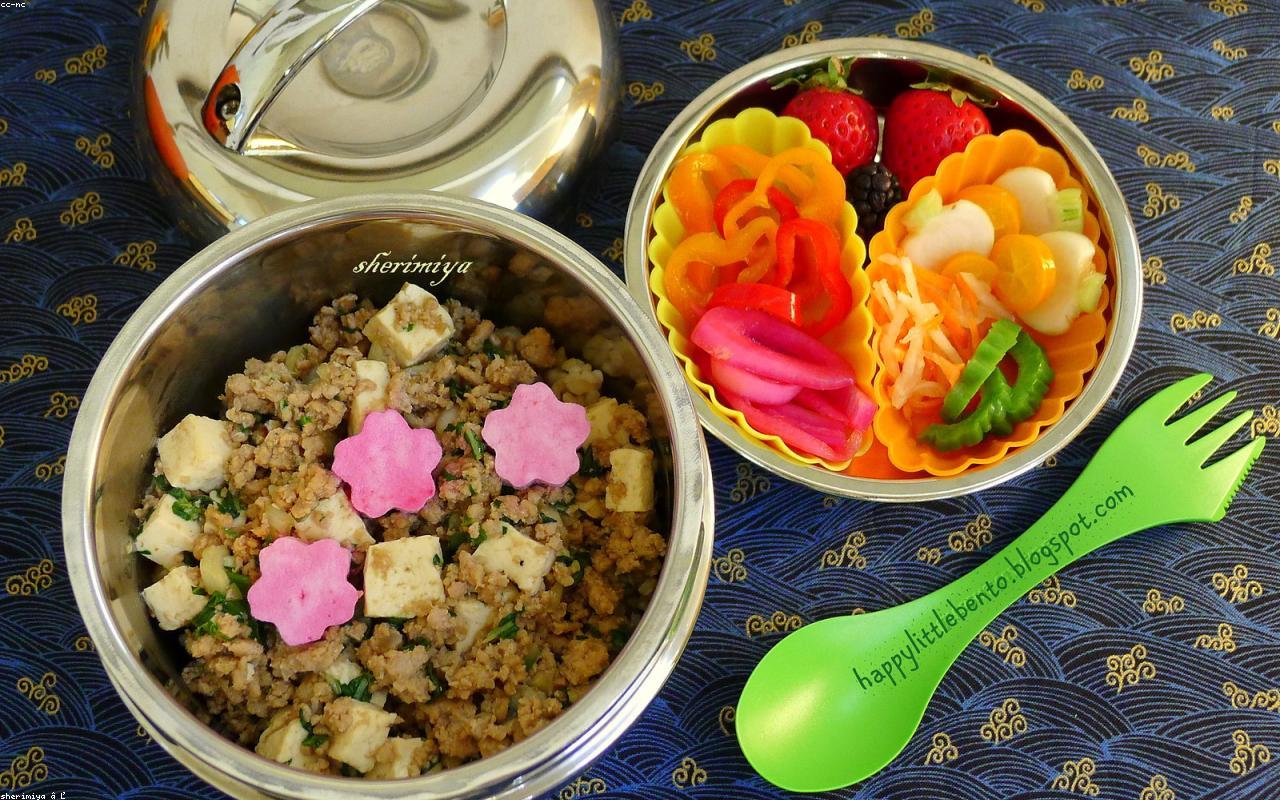
Variations are simple. He has made the same recipe with sliced fennel, with thin-shaved carrot, with peeled and sliced watermelon radish. The brine is the constant; the vegetable rotates. He has come to believe that the red onion is the best of them — the colour alone earns it the default spot — but the variations are worthwhile when the onion is not on hand.
The cost per jar is roughly seventy cents. The labour is about eight minutes from start to refrigerator. The reward, by his rough accounting, is something he reaches for two or three times a day for nine days, then makes again.
He has tried to convert people to the practice with mixed results. Some take to it immediately and keep a jar of their own thereafter. Others nod politely and never make one. He suspects the difference comes down to whether a person likes to have one or two small reliable things in the refrigerator that quietly improve the rest of dinner. Some people do. Others do not. He has stopped trying to predict which is which.
The current jar in his refrigerator was made on Tuesday. It is now Saturday. It will be empty by the middle of next week and a new one will take its place. There is, he has noticed, something steadying about a kitchen rhythm that does not require thought.